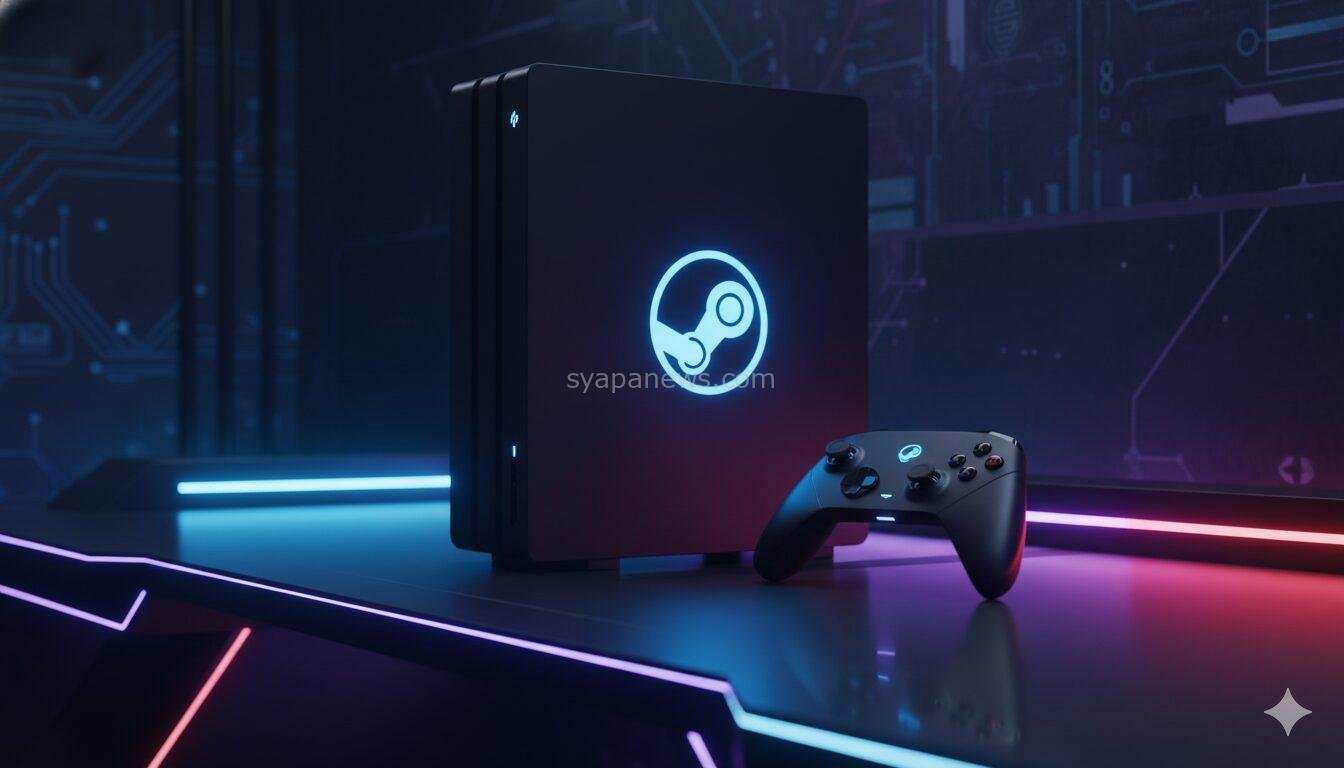
The Steam Machine PC was Valve’s ambitious attempt to bridge the gap between PC gaming and living-room console gaming. Introduced as part of Valve’s larger ecosystem—along with SteamOS, Steam Big Picture Mode, and the Steam Controller—Steam Machines promised a powerful, open, customizable alternative to PlayStation and Xbox.
Although the project was officially discontinued, Steam Machines played a huge role in shaping modern gaming hardware, including the latest Steam Deck.
This article explores the vision, hardware, performance, reasons for failure, and long-term influence of the Steam Machine PC.
What Was the Steam Machine PC?
A Steam Machine was a pre-built gaming PC created by Valve in collaboration with hardware partners like Alienware, Zotac, Gigabyte, Origin PC, Maingear, and others.
They were designed to:
- Bring PC gaming to the living room
- Compete with consoles
- Run Valve’s SteamOS (Linux-based)
- Provide console-style convenience with PC-level power
Steam Machines were not a single device — they were a category of hardware, with multiple manufacturers offering different configurations.
Why Valve Created Steam Machines
Valve noticed a problem:
1. PC Gaming Was Powerful But Not “Plug-and-Play”
Gamers who wanted high performance needed:
- Complicated setups
- Windows updates
- Manual GPU driver installation
- Headshot-level technical skills
Steam Machines attempted to make PC gaming as simple as a console.
2. Valve Wanted Independence From Windows
SteamOS was designed to reduce dependence on Microsoft and Windows for gaming.
3. A Lounge Gaming Experience
Steam Big Picture Mode turned Steam into a TV-friendly UI.
Steam Machines were meant to live next to your TV like a PlayStation or Xbox.
Hardware: What Steam Machines Offered
Each manufacturer created multiple models with different specs. Common configurations included:
Processors
- Intel Core i3 / i5 / i7
- Some AMD CPU options
Graphics (Most Important Part)
- NVIDIA GTX 750 / 860M / 970
- Later models: GTX 980 and GTX 1080-class GPUs
- AMD Radeon R9 options
Storage
- 500GB – 2TB HDD
- Hybrid SSHD
- High-end SSD configurations
Memory
- 8GB – 16GB DDR3 / DDR4
Operating System
- SteamOS by default
- Users could install Windows manually for more game support
Form Factor
- Mini-console style
- Portable PC cases
- Living room–friendly design
- Quiet cooling solutions
Accessories
- Steam Controller
- Wired or wireless keyboard & mouse (optional)
SteamOS: The Heart of the Steam Machine
SteamOS was:
- Based on Debian Linux
- Optimized for gaming
- Supportive of Big Picture Mode
- Designed for high performance
But it had a major limitation: limited game compatibility.
At launch, many AAA games simply didn’t run on Linux.
This became the biggest weakness of Steam Machines.
Performance: How Steam Machines Played Games
Steam Machines delivered strong performance, especially higher-end variants.
Users could expect:
- 1080p high settings in most games
- Quiet, console-like operation
- Fast boot and smooth UI
- Controller-friendly navigation
However, when compared to Windows PCs:
- Linux ports were fewer
- Some games ran slower due to driver limitations
- Many games required manual tweaks
- No native support for many Anti-Cheat systems
Why Steam Machines Failed
1. Lack of Games on Linux
SteamOS supported only a small fraction of titles available on Steam.
2. Confusing Product Line
More than 15 different Steam Machine models with different specs made buying decisions difficult.
3. The Rise of Affordable Gaming PCs
Gamers found that building a Windows PC was cheaper and more powerful.
4. Developers Didn’t Prioritize Linux
Most studios focused on Windows because it had the largest gaming audience.
5. Steam Controller Was Innovative but Weird
Some gamers loved it.
Many found it difficult to learn.
6. No Killer Exclusive Games
Consoles have exclusives.
Steam Machines did not.
The Legacy of the Steam Machine PC
Even if Steam Machines didn’t succeed commercially, they changed the gaming landscape.
1. Steam Deck Exists Because of Steam Machines
Valve learned:
- How to optimize Linux for gaming
- How to improve Proton compatibility
- How to build custom hardware
Steam Deck became the spiritual successor.
2. Proton + SteamOS 3.0
Today:
- Over 10,000+ Windows games run on Linux using Proton
- More developers support Linux gaming
- SteamOS 3.0 (Steam Deck OS) is far superior to the old SteamOS 1.0
3. PC Consoles Are Popular Now
Companies like ASUS, Lenovo, MSI, and AYANEO now make handheld PCs, a trend started by Valve.
4. Linux Gaming Rose to Global Recognition
Thanks to Steam Machines, developers slowly started understanding the importance of Linux optimization.
Could Steam Machines Return?
With the success of Steam Deck and Proton’s improved compatibility, many gamers believe:
A new generation of Steam Machine PCs could finally succeed.
Valve has not announced anything officially, but SteamOS 3.0 being open-source makes it possible for manufacturers to build new console-style PCs running Valve’s ecosystem.
Conclusion
The Steam Machine PC was a bold and visionary attempt to unify the worlds of PC and console gaming. Although it struggled commercially, it became a foundational step that shaped today’s gaming ecosystem.
Steam Machines walked so that Steam Deck, Proton, and modern Linux gaming could run.
Valve’s experiment may not have conquered the living room back then, but its legacy continues to power the future of PC gaming.
Table of Contents
Explore More Exciting Posts Here!
OnePlus 15: The Power-Packed Flagship That Redefines Performance in 2025
H1B Visa 2025: Trump’s $100,000 Fee Shock and Its Impact on Indian Professionals
Apple iPhone 17 Series: The Game-Changing Flagship Set to Launch This September
Powerful Car Companies That Drive the World 2025
CARNIVAL CELEBRATION CRUISE FROM CARNIVAL CRUISE LINE
Wednesday Season 2 Cast Shake-Up: New Faces, Big Departures
The Life of a Showgirl – Taylor Swift’s Dazzling Reinvention 2025